What changes in the European fleet
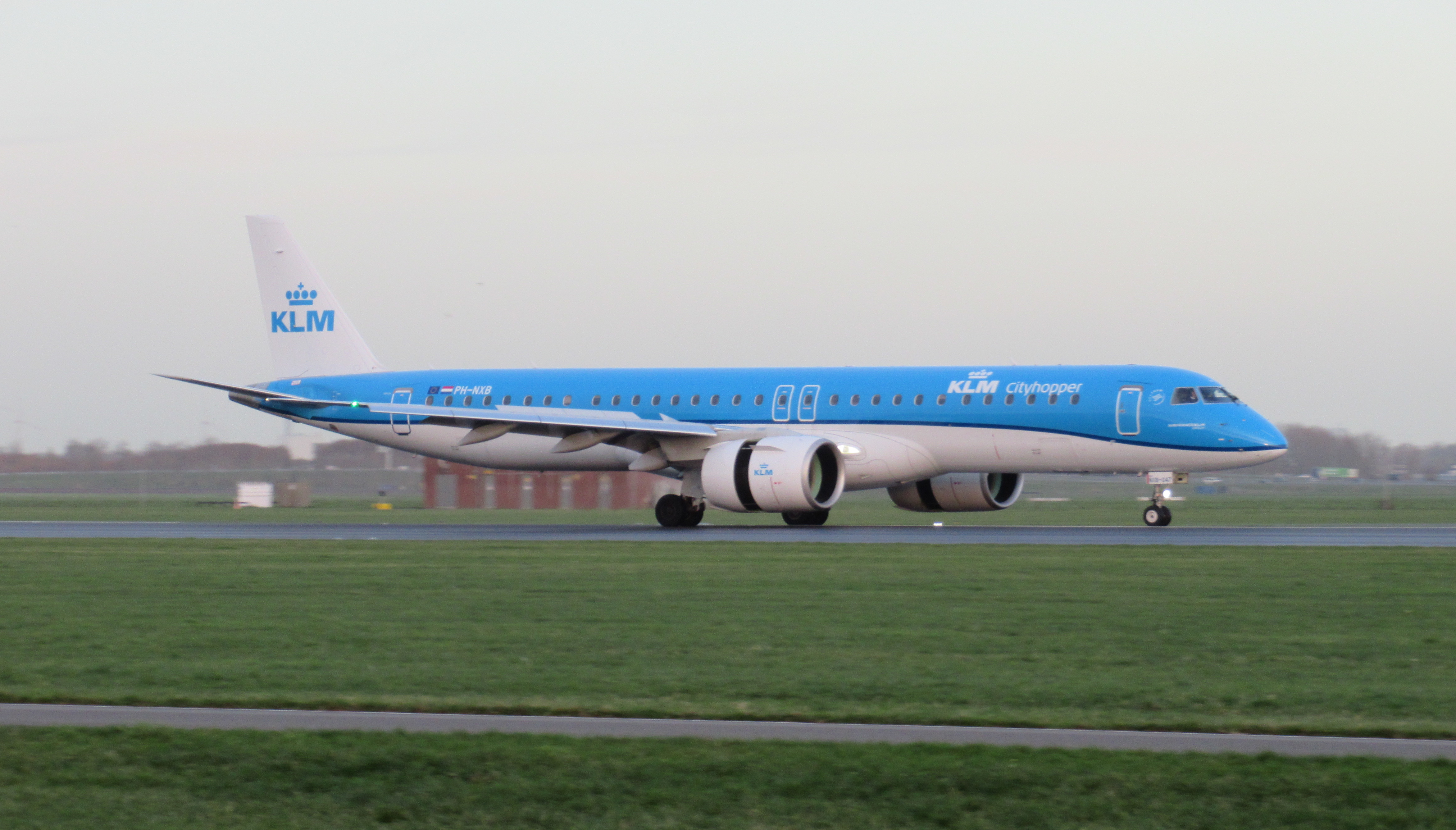
KLM will replace planned Airbus A320s with Embraer E195-E2 aircraft in its European fleet, retain the A321neo and phase out Boeing 737s and Embraer E190s over the coming years. The November 5, 2026 plan gives KLM Cityhopper a larger role.
The airline is shifting the balance toward smaller aircraft so it can match European capacity more closely to demand. Available capacity will favor routes that contribute most to connecting passengers and the nonstop network from Amsterdam Schiphol. KLM presents fleet simplification as a way to improve costs, operations and European network profitability, rather than announcing a list of individual route closures.
KLM describes its core network as 160 nonstop destinations from Schiphol. It plans to keep investing in the network and operate a simplified, modernized fleet of 185 Airbus, Boeing and Embraer aircraft, with quieter, cleaner and more fuel-efficient aircraft among its stated aims. The announcement also links ground initiatives to lower fuel use and emissions and better working conditions; those are the carrier’s stated operational aims.
Passenger investment remains part of the plan: KLM names more comfortable aircraft, better onboard service, free high-speed Wi-Fi on intercontinental flights and a broader meal selection on European services. It also intends to use digital tools and AI in booking and internal work. This announcement gives no flight-by-flight rollout calendar for those product improvements.
For an upcoming booking, separate the fleet strategy from your own dated itinerary. The release does not name which European routes will receive the replacement aircraft, supply retirement dates for individual aircraft, or announce award prices, discounted fares or an award-seat allocation. The aircraft and network decisions should not be treated as confirmation of a particular seat, cabin product or reward availability.
Why KLM is changing the plan
KLM says it needs an annual earnings improvement of €1 billion, bringing the total target to €1.4 billion, to fund its fleet, passenger experience and people. CFO Bas Brouns connects the measures to both additional revenue and lower structural costs. These figures describe the company’s financial goals, not a promised ticket-price reduction or an amount travelers can save.
The new measures follow structural improvements that KLM puts at more than €750 million. It says shortages of pilots and maintenance staff have largely been resolved, while catering and maintenance activities are being outsourced. The number of office buildings in use is being reduced substantially, and the office organization has already shrunk through job reductions and unfilled vacancies. The airline says those earlier steps have still not secured the financial foundation it needs. Scenarios developed by employees and external stakeholders over the past few months concluded that delaying decisions would further limit KLM’s strategic options.
CEO Marjan Rintel attributes the need for further action to an increasingly difficult operating environment, including global instability, high fuel prices and wider industry pressure. KLM says every department and division will contribute. It will monitor the measures and leaves open the possibility of further organizational, employment-condition, productivity and staffing changes.
Some work will move to external partners, be reorganized or be consolidated further within Air France-KLM, with KLM concentrating on core customer and operational activities. The release also discusses the group’s proposed expansion to include SAS. It explicitly says that proposal is under European Commission review; the potential cooperation and scale benefits are expectations, not a statement that the transaction has been completed.
Changes at Schiphol and across operations
Ground Services is to be organized differently over the coming years. In Passenger Services, KLM intends to give travelers more digital control over check-in, boarding and rebooking, while terminal staff focus more on hospitality and direct help. Those are planned changes to how service is delivered, rather than instructions that passengers must immediately use a new process.
External partners will take on apron services for European flights and baggage work. The specified activities are below-the-wing handling at KLM Cityhopper and baggage handling in Schiphol’s East Hall. KLM expects specialist providers to invest more quickly and deliver those services at lower cost; it does not present the outsourcing as a new passenger baggage allowance or fee.
KLM also plans to change Schiphol’s Hub Control Center through new working practices, technology and closer cooperation with external partners. The stated purpose is to use the airport’s limited space and equipment more effectively and coordinate passenger and baggage flows. That is part of the operational program alongside the aircraft changes.
The wider plan includes consolidating all Schiphol cargo handling in KLM’s own warehouse, covering freight on passenger and cargo aircraft. This is intended to prepare for a new cargo terminal scheduled for 2035 and attract more transfer cargo. KLM will expand support for customers needing additional services, while aiming to handle higher volumes without additional hiring through simpler processes, automation and staff working across activities.
Engineering & Maintenance will put more of its people and expertise toward the future fleet and accelerate the withdrawal of maintenance work on aircraft types being retired. Where possible, work will fit into aircraft’s existing ground time to increase availability. KLM also plans more efficient engine and component shops and closer alignment of Engine Services and Component Services management with Air France-KLM.
The productivity and staffing timetable
The company wants new collective labor agreements negotiated with unions, simpler and more competitive employment conditions, and very moderate wage growth. Its stated structural productivity target is an increase of at least 8% by 2028. Those labor objectives sit within a broader cost and flexibility program; they do not establish a date on which a specific passenger flight will change.
KLM says its number of positions will fall by almost another 15%, after earlier reductions. Approximately 5,000 positions have been or will be reorganized, with work performed differently. The release distinguishes work moved between organizations from positions reduced through productivity, so the headline figure should not be read as a statement that every affected role is being eliminated.
Its breakdown includes work associated with 1,250 Catering Services positions already carried out with gategroup since the spring, and an estimated 800 Ground Services positions whose work will move to external providers. Another 2,000 positions, including 1,500 at customer contact center Cygnific, are to transfer to Air France-KLM. Planned productivity improvements account for approximately 1,000 fewer KLM positions. KLM expects attrition, voluntary arrangements and moves to other roles to limit the employee impact.
Keep your own journey information current
To receive itinerary-specific information, provide a phone number and email address when booking. KLM’s current flight-update guidance says you can change those details after booking through My Trip or your profile. This gives the airline a way to contact you if the schedule for your actual journey changes, independently of the broad fleet announcement.
KLM’s published update service includes an email when online check-in becomes available, and a text or email if a delay exceeds 30 minutes or repeated delays total more than 30 minutes. It may also telephone for an intercontinental delay. Cancellation notifications can arrive by phone, text or email and explain rebooking onto another flight or how to request a refund. Text or email can also give delayed-baggage retrieval instructions. This guidance describes communications, not an unconditional refund entitlement.
When a child travels alone using KLM’s Unaccompanied Minor service, the flight-update messages go to the person who booked the ticket. Make sure that booking contact remains appropriate for the child’s journey; the airline’s notification rule does not direct the messages to the child by default.
The update service has separate controls if you want to stop messages. For emails, use the unsubscribe link at the bottom of the email. For text messages, reply “STOP.” To change texts announcing that boarding has begun, update the preferences in My Trip. The published controls concern notifications; they do not cancel the flight reservation.